

Relocating, a significant life event, can often bring a wave of excitement as we anticipate new beginnings and opportunities. Yet, hidden beneath the surface of that excitement lies a potent undercurrent of stress and anxiety. So, is moving traumatic, especially when you’re going over the borders? Let’s explore the emotional toll of relocating and the intricate web of emotions that make it stressful.
Is Moving Traumatic?
Moving overseas can indeed be a traumatic experience for many, as it often involves leaving behind familiar surroundings, saying goodbye to loved ones, and facing the unknown. The emotional and psychological impact of relocating can be significant, but recognizing and addressing this stress is the first step toward making the transition smoother.
According to the New York Post, 45% of people who recently moved found this event one of the most stressful they had to go through. Even having kids or going through a divorce is less stressful than relocating across the world.

What Is the Psychological Impact of Moving Internationally?
The prospect of moving abroad, especially if you’re doing it alone, brings with it a unique set of psychological challenges. Leaving one’s home country, culture, and support network can be an emotionally daunting endeavor. The process of adapting to a foreign environment, adjusting to a new way of life, and coping with cultural differences can trigger stress and anxiety.
The uncertainty of international relocation, no matter the reason – for work, study, for love, and other personal reasons, often prompts individuals to grapple with a wide range of emotions, from excitement and anticipation to fear and homesickness. The sense of displacement, the language barrier, and the need to forge new connections can create a profound psychological impact.
Explore Some of the Most Common Signs of Moving Stress
Relocation often brings forth a wide array of stress signals. These signs encompass both psychological and behavioral indicators, shedding light on the emotional turmoil experienced during a transition. From a psychological perspective, individuals undergoing a move may find themselves grappling with heightened anxiety, mood swings, or even bouts of depression. The disorienting experience of leaving behind the familiar and adjusting to a new environment can take a toll on one’s mental well-being.
Moreover, the behavioral manifestations of relocation stress can be equally telling. These may include irritability, sleep disturbances, changes in eating patterns, and withdrawal from social activities. While the signs of stress are universal, they can manifest differently in various age groups and personality types. Young children might display signs of distress through clinginess, while teenagers may express resistance or withdrawal.

Recognizing the Line Between Moving Trauma and Stress
Is moving traumatic for adults? Yes, relocation can be highly stressful, but when does it cross the line into trauma? Relocation trauma occurs when the emotional impact of the transition becomes so profound that it leaves lasting scars on an individual’s mental and emotional well-being.
It often involves intense and persistent negative feelings, such as anxiety, depression, and even post-traumatic stress disorder (PTSD). Recognizing the distinction between these two terms is vital, as it can inform the type of support and coping strategies required during and after the relocation.
When Does Stress Turn into Trauma?
Is moving as traumatic for kids as it is for adults? Yes, but it’s important to understand that stress is a natural response to a significant life change. It often subsides as individuals adjust to their new surroundings and routines. Experience may differ due to unique challenges and coping mechanisms associated with different age groups. However, in some cases, stress can evolve into trauma.
This transition occurs when individuals struggle to cope with the stressors associated with the relocation and find it increasingly difficult to regain their emotional balance. When the symptoms of stress persist or worsen over time, they may lead to long-term psychological effects, indicating the transformation into trauma.

Are There Long-Term Effects of Relocation Trauma?
Relocation trauma, once it takes root, can leave a lasting impact on an individual’s life. The long-term effects may include persistent anxiety, depression, and other mental health challenges.
Additionally, individuals who have experienced relocation trauma may develop difficulties in forming stable relationships or trusting others. These long-term effects can be particularly pronounced in cases where the move was associated with traumatic events, such as loss or significant disruptions in one’s life.
It’s important to acknowledge that relocation trauma can have far-reaching consequences, and seeking professional help or therapeutic support may be necessary for those who find themselves grappling with its enduring effects.

Check Out Some Strategies to Ease Relocation Stress Before It Becomes Traumatic
Stress can be overwhelming, but there are strategies to help prevent it from turning into trauma. If you address the challenges that come with relocation, you can ease the transition and maintain your mental well-being. Let’s explore effective strategies to mitigate stress at various stages of the process, from pre-move preparations to the actual moving day.
Utilize Pre-Move Stress Reduction Techniques
In the lead-up to your move, incorporating mindfulness and relaxation practices into your daily routine can be immensely beneficial. Techniques such as meditation, deep breathing exercises, and yoga can help you stay grounded and reduce pre-relocation anxiety.
Mindfulness encourages you to be present in the moment, allowing you to manage stress by focusing on the tasks at hand and acknowledging your emotions without judgment. These practices provide a calming counterbalance to the flurry of preparations and uncertainties that often accompany the pre-move phase.
Organize Your Relocation Like a Pro
Preparation is key to minimizing pre-relocation anxiety. Organize your relocation by creating a detailed moving-out list and timeline. Break down tasks into manageable steps, and set realistic goals for each day. Label your boxes clearly to streamline the unpacking process.
Stay organized and keep track of important documents, contracts, and contact information. By maintaining a structured approach, you’ll not only reduce the stress of the unknown but also increase your sense of control over the relocation process.

Prioritize Self-Care During the Relocation
During the actual relocation, it’s crucial to maintain some semblance of your daily routines. Continue to prioritize self-care, such as regular exercise, a balanced diet, and sufficient sleep. Sticking to familiar routines can provide a sense of normalcy and stability amidst the chaos of relocating. Ensure you are getting the necessary rest and nourishment to stay physically and emotionally resilient throughout the transition.
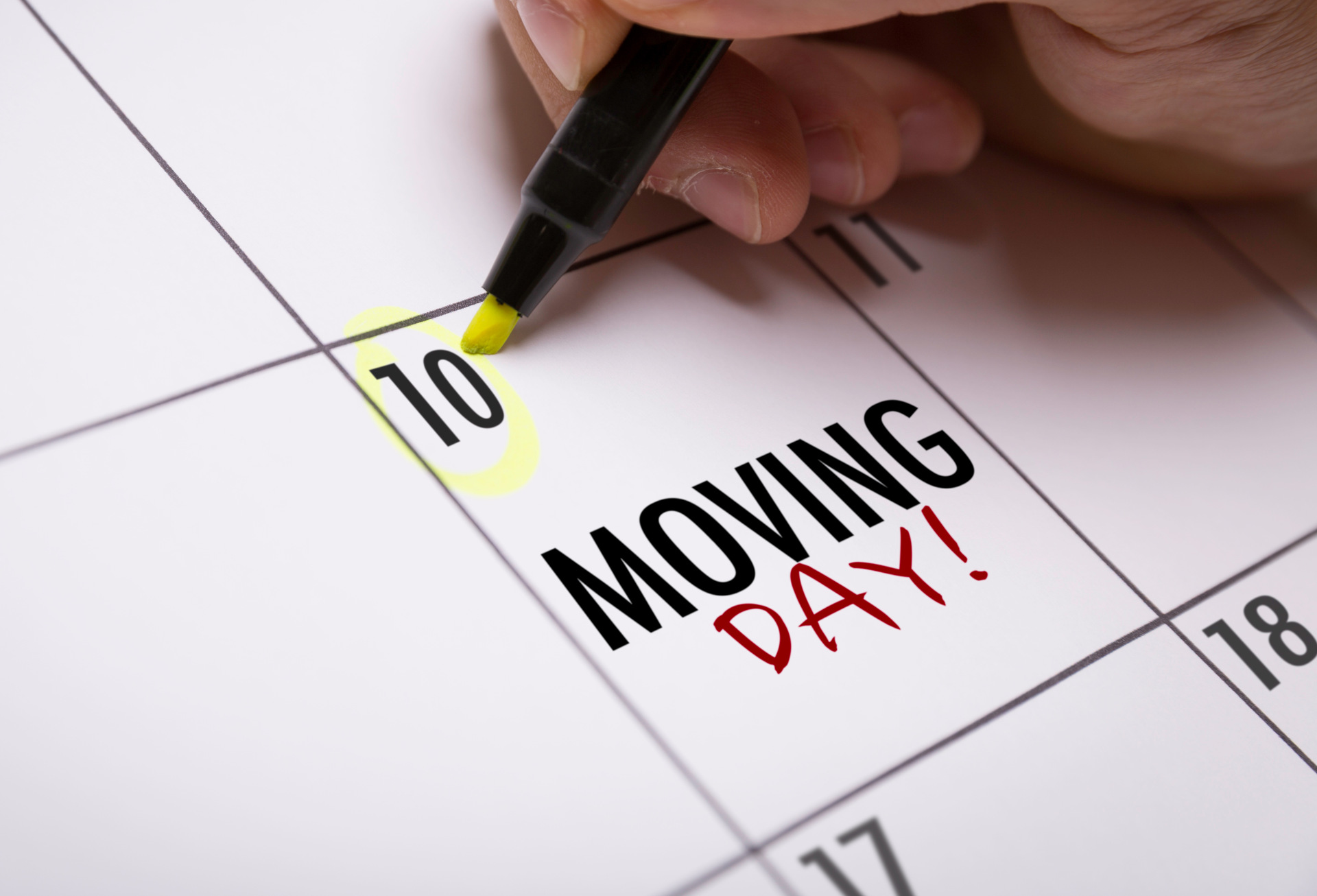
Relocation day can be especially nerve-wracking, but there are strategies to keep stress at bay. Begin the day with a relaxing activity, whether it’s a short meditation session or a leisurely walk. Keep essential items like important documents, medications, and a comfort bag readily accessible. Delegate responsibilities to reduce your workload and ensure a smoother relocation process.
Post-Move Stress Management
Once the boxes are unpacked and the new surroundings become familiar, post-move stress management becomes a crucial part of the journey. In this phase, your ability to settle into your new environment and recognize any signs of post-relocation trauma is essential. Here are the strategies and techniques to ensure a smoother transition as you embrace your new life.
The Importance of Creating Comfort Quickly
As you start settling into your new surroundings, it’s essential to create a sense of comfort quickly. Unpack familiar items and personal belongings that hold sentimental value, transforming your new space into a haven of familiarity. Establishing a cozy, safe environment can help ease the emotional transition and provide a comforting backdrop for the adjustment period.
Community Engagement and Support Networks
Engaging with your new community and building support networks can be instrumental in your post-relocation stress management. Connect with neighbors, join expat communities, local clubs or organizations, and explore communal events. Building relationships and creating a sense of belonging can help combat feelings of isolation and contribute to a smoother integration into your new life.
Seek Professional Help
While many individuals successfully navigate post-relocation stress, it’s important to be aware of the signs that may indicate post-move trauma. If feelings of depression, anxiety, or overwhelming stress persist for an extended period and significantly impact your daily life, it’s crucial to seek professional help. Mental health professionals can provide support and therapeutic interventions to address post-relocation trauma effectively.
There are various resources and therapies available to assist with post-move adjustment. Cognitive-behavioral therapy (CBT), support groups, and counseling can offer effective tools for coping with the emotional challenges of relocating. Additionally, exploring self-help books, online forums, and community resources can provide valuable insights and strategies for navigating the unique stressors of adjusting to a new environment.

How a Good International Moving Company Can Help Alleviate Stress
When it comes to international relocations, the choice of a company can significantly impact the overall experience. Professional international relocation companies play a crucial role in alleviating the stress associated with such a major life transition. They offer a range of international moving services, from efficient packing assistance and secure and temperature-controlled storage units to safe overseas vehicle shipping.
The convenience of having these services bundled together can save you time and effort. Furthermore, the expertise of movers in properly packing and securing your possessions is invaluable, minimizing the risk of damage during transit and reducing your anxiety about relocation.
How to Choose the Right Relocation Company?
Selecting the right international moving company is a critical decision that can significantly impact the success and stress levels of your relocation. That’s why you have to look for factors such as experience in international moves, accreditation, and positive customer reviews. Don’t forget to seek references, check for certifications, and verify their compliance with international shipping regulations.
Request detailed estimates and compare pricing, services, and insurance options. This thorough vetting process will help you choose an international relocation company that aligns with your needs and expectations, ultimately reducing your stress during the international relocation. If you choose to hire professional Shepherd International Movers, you won’t have to worry about last-minute issues.

Embrace the Change Without the Trauma of Relocating Overseas
International moves can be overwhelming, but with the right support, you can navigate this significant life transition without succumbing to relocation trauma. Professional international relocation companies like Shepherd International Movers play a pivotal role in alleviating the stress associated with such major relocations. We bring expertise, logistics management, and a range of support services that make your relocation more manageable.
Embrace the change without the trauma, knowing that your belongings are in capable hands and your transition is in the hands of experts. If you wish to make your international relocation smoother and less stressful, contact us today and embark on your journey with confidence.
FAQ
What Are the Most Common Stressors During a Move?
The biggest stressors during a move usually come from uncertainty, financial pressure, time constraints, and fear of change. Packing up years of belongings, adjusting to a new environment, and dealing with logistics can feel overwhelming. Emotional stress also arises from leaving familiar places and routines. Unexpected delays or damage to possessions can add frustration. Recognizing these triggers early helps you prepare mentally. Staying organized and asking for help can reduce the strain significantly.
How Can I Tell if My Child Is Experiencing Moving Stress?
Children may not express stress verbally, but you can notice changes in mood, sleep, or behavior after a move. Look for signs such as clinginess, irritability, withdrawal, or a sudden drop in school interest. They might also regress in habits like bedwetting or demand extra reassurance. Encourage open conversations about their feelings and involve them in setting up their new room. Maintaining routines provides comfort and stability. Early emotional support helps them adapt faster and more positively.
What Are Some Quick Relaxation Techniques for Moving Day?
Simple breathing exercises, stretching, and short walks can quickly calm your mind during moving chaos. Listening to soothing music or focusing on slow, deep breaths helps lower anxiety. Take short hydration and snack breaks to prevent fatigue. Avoid multitasking when possible—handle one task at a time. A few mindful pauses throughout the day can reset your focus. Ending the day with gratitude journaling or light meditation promotes relaxation and better sleep.
Can Moving Lead to PTSD or Long-Term Emotional Distress?
While moving typically causes temporary stress, a deeply traumatic relocation—such as one caused by loss, divorce, or forced eviction—can lead to PTSD-like symptoms. Signs include flashbacks, nightmares, or extreme avoidance of reminders. These emotional reactions stem from feeling unsafe or powerless during the move. Professional therapy can help you process these emotions and regain control. It’s important not to dismiss persistent anxiety or sadness. Seeking help early can prevent long-term emotional strain.
How Long Does It Usually Take to Adjust Emotionally After Moving?
Most people begin feeling settled within three to six months after relocating. However, this depends on personality, social support, and reason for the move. Homesickness and disorientation are common at first but tend to fade with routine and familiarity. Building new connections and creating comforting habits speed up adaptation. If sadness lasts beyond a few months or interferes with daily life, it may signal relocation depression. Patience and social engagement are key to recovery.
What Should I Look For in a Moving Company to Minimize Stress?
A reliable moving company should have positive reviews, transparent pricing, and professional communication. Licensed and insured movers reduce the risk of lost or damaged items. Ask if they offer packing assistance or storage options to simplify logistics. A trustworthy team keeps you informed throughout the process, easing uncertainty. Compare quotes and read contracts carefully before booking. Choosing reputable movers ensures a smoother and less stressful experience from start to finish.
What Are the Signs That I Should Seek Professional Help for Moving-Related Trauma?
If moving stress turns into ongoing anxiety, insomnia, or emotional numbness, it’s time to seek help. You might notice irritability, loss of appetite, or detachment from friends and family. These signs suggest your body and mind are still processing unresolved stress. A therapist can help identify coping mechanisms and guide emotional healing. Support groups can also normalize your experience. Seeking professional help isn’t a weakness—it’s an important step toward emotional balance.
How Can I Stay Emotionally Grounded When Moving Away From a Familiar Home?
Saying goodbye to a familiar space can be deeply emotional, but acknowledging your feelings helps you let go healthily. Take photos or keep small keepsakes as memory anchors. Write a farewell note or gratitude list for what the home represented. Focus on the excitement and opportunities the new chapter brings. Practice mindfulness or grounding exercises to stay present. This emotional closure eases the transition and helps you move forward peacefully.
How Can I Rebuild My Sense of Belonging After Moving to a New City?
Rebuilding belonging starts with small daily actions—explore local spots, attend community events, or volunteer. Make an effort to meet neighbors or join hobby groups. Staying socially connected prevents isolation and boosts emotional well-being. Decorating your new space with familiar items can make it feel more like home. Keeping routines from your old home maintains continuity. Over time, these efforts create comfort and a renewed sense of identity.
What Are Healthy Ways to Cope With Moving Anxiety Before and After the Move?
Planning early, making checklists, and breaking tasks into small steps can reduce pre-move anxiety. Keep communication open with family and friends for emotional support. After moving, focus on self-care—eat well, rest, and establish a routine quickly. Limit overthinking and embrace imperfections in the process. Remind yourself that stress is temporary and adjustment takes time. With structure and support, you’ll feel emotionally grounded again.