

Moving across an ocean isn’t just another item on a to-do list -it’s one of the most life-changing decisions you’ll ever make. The moment your belongings disappear behind the sealed doors of a steel shipping container, a strange mix of excitement and panic tends to settle in. You’ve handed over everything you own to strangers, and now you’re left wondering: when will I actually see my couch again?
If you’re planning an overseas relocation, you deserve honest answers -not the polished, best-case promises some companies use to close a sale. The truth is that international shipping is a living, breathing operation, shaped every single day by port congestion, shifting trade routes, customs protocols, geopolitical tensions, and even the weather.
In this guide, we’ll walk you through what really happens between “the truck pulled away” and “the last box is unpacked.” We’ll explain why the timelines look the way they do, what you can do to stay sane during the wait, and why partnering with a trusted global moving team -like Shepherd Movers -is the smartest decision you’ll make all year.
Air Freight vs. Ocean Freight: Choosing Between Speed and Savings
Every international move comes down to one fundamental choice: how fast do you need your things, and how much are you willing to pay for that speed? Your belongings will travel either by air or by sea, and understanding the trade-offs is the first real step toward a stress-free move.
Air Freight: The Express Lane (1 to 3 Weeks)
Air freight is the fastest way to get your belongings across the globe -typically one to three weeks from door to door.
You might be thinking, “A flight only takes 12 hours, so why does it take three weeks?” That timeline isn’t about flight time. It’s about the strict reality of aviation logistics: specialized export packing, TSA-equivalent security screenings, airport cargo handling, and customs clearance on the other end.
Here’s the catch: air freight is billed largely on dimensional weight -a calculation that combines actual weight with how much space your items take up. Because cargo space on a plane is extremely limited, shipping something large but light (think a plastic baby crib) can cost a small fortune.
That’s why air freight should be reserved strictly for “survival” items, including:
- Essential work equipment and laptops
- A small seasonal wardrobe
- Basic kitchenware
- Daily comforts and items you simply can’t live without for two months
Ocean Freight: The Workhorse of Global Moving (4 to 8+ Weeks)
Ocean freight is how roughly 90% of international relocations are handled. It’s significantly more affordable for large volumes -but it asks for patience. A standard ocean shipment runs anywhere from four to eight weeks, sometimes longer depending on your destination.
There are two main options here:
FCL (Full Container Load) -If you’re moving a typical three- or four-bedroom home, you’ll likely use a dedicated 20-foot or 40-foot container. Since the container is yours alone, the process is faster and cleaner. It’s packed at your home, sealed, and shipped on the next available vessel. FCL shipments usually land closer to the 4-to-6-week mark.
LCL (Less than Container Load) -Moving a smaller apartment or just a few key pieces? Your belongings will be custom-crated and combined with other shipments inside a shared container. LCL adds one to two extra weeks to your timeline, because the freight forwarder has to wait until the container is full before it sets sail.
The 5 Real Stages of an International Move
The biggest misconception about overseas moving is that “transit time” tells you the whole story. The days your container actually spends on the water are just one piece of a much bigger puzzle.
Stage 1: Preparation and Booking (2 to 4 Weeks)
Ocean carriers use “blank sailings” -intentionally canceled voyages -to keep freight rates stable. That means securing space on a ship requires booking weeks in advance. During this phase, professional crews carefully pack, wrap, and inventory your home to meet strict international export standards. You can’t just toss items into ordinary cardboard boxes; everything has to be prepped to survive humidity, vibration, and constant motion at sea.
Stage 2: Inland Transit and Terminal Handling (3 to 7 Days)
Once sealed, your container doesn’t magically float away. It has to be trucked or rail-hauled to the departure port. Major global hubs are extremely busy, which means your container will:
- Wait in a terminal queue
- Be weighed for the ship’s balance
- Be staged in the yard
- Wait for a massive gantry crane to load it onto the vessel
Stage 3: Ocean Transit (10 to 45+ Days)
Time at sea varies wildly. East Coast U.S. to Europe routes are relatively short and direct. Australia, Asia, and the Middle East routes take significantly longer. In recent years, vessels have been forced to reroute thousands of miles around continents to avoid conflict zones, drought-affected canals, and other disruptions -sometimes adding weeks to a single voyage.
Many ships also practice “slow steaming” to conserve fuel, trading speed for environmental and cost efficiency. It’s not unusual for a vessel to move noticeably slower than it technically could.
Stage 4: Import Customs Clearance (3 to 10 Days)
Once your container arrives, it has to legally clear customs. Digital filing has streamlined a lot of the paperwork, but physical inspections still happen randomly and frequently. This is often the most unpredictable bottleneck in the entire move.
The biggest red flags that can stall a container for weeks include:
- High-capacity lithium-ion batteries
- Untreated wooden furniture
- Restricted organic materials (even soil on hiking boots)
- Improperly declared alcohol
- Anything labeled vaguely, like “miscellaneous stuff”
If customs decides to X-ray your container or physically unpack it, your timeline pauses -period.
Stage 5: Final Delivery (2 to 5 Days)
Once cleared, the container is released from the port. With LCL, it heads to a warehouse to be deconsolidated. With FCL, it goes straight to your new home. Maneuvering a 40-foot container through the narrow, historic streets of many foreign cities is a real challenge, often requiring smaller shuttle vans to ferry items the last mile. From there, the destination crew unwraps, assembles, and places your furniture exactly where you want it.
Budgeting Beyond the Base Quote
Time and money are tightly linked in global shipping. The longer your transit and the more complicated your route, the more financial wiggle room you’ll need. Setting a realistic budget early on saves you from nasty surprises later.
When budgeting for your international move, factor in:
- Volume and weight -The physical size of your shipment is the single biggest driver of cost. Ship less, pay less.
- Origin and destination port fees -Terminal Handling Charges (THC) and local port taxes shift constantly. If your container sits too long at the port awaiting clearance, demurrage fees can add up fast.
- Peak season surcharges -Moving between May and August is peak global relocation season, and ocean carriers regularly raise rates during this window.
Why Marine Insurance Is Non-Negotiable
Let’s be blunt: a premium, all-risk, door-to-door marine insurance policy is essential. Your belongings will be lifted by cranes, tossed by rough seas, and handled across multiple continents.
There’s also a maritime concept worth knowing about called General Average. If a cargo ship hits a catastrophic emergency -a major storm, an onboard fire -and the captain has to jettison containers to save the vessel, the financial loss is shared evenly among everyone with cargo on board.
That means even if your container arrives perfectly safe, you could legally be on the hook for tens of thousands of dollars to reimburse other shippers. Without proper insurance, you’re exposed. With it, you’re protected. At Shepherd Movers, we make sure every client understands their coverage options before a single box is packed.
Surviving the “Liminal Space” Between Two Lives
The gap between your flight landing and your container arriving creates an unusual psychological space. You’re not quite in your old life anymore, but you’re not fully settled into your new one either. Managing this in-between period well makes a massive difference for your peace of mind.
The Three-Tier Packing Strategy
To make the wait bearable, divide everything you own into three clear categories:
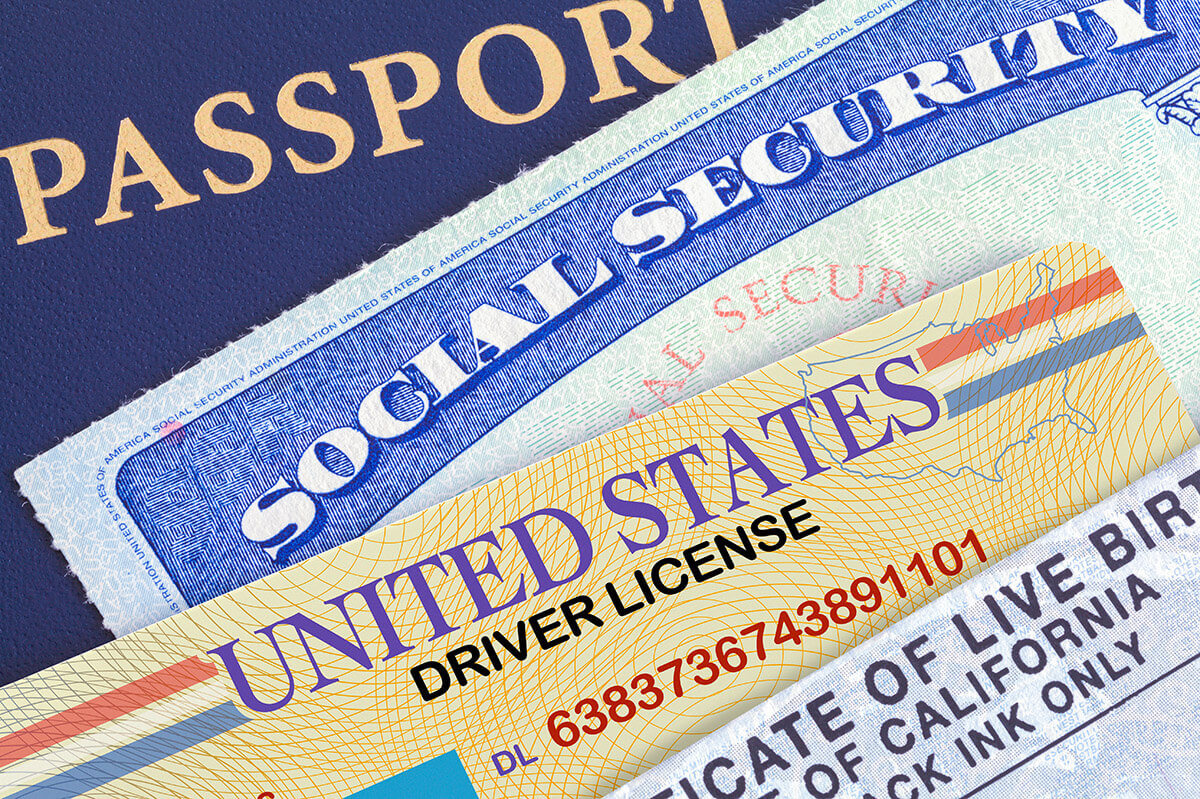
Tier 1 -The Suitcases (Travels With You) Anything you’d need to survive -and prove your identity -if everything else went missing:
- Passports, visas, and birth certificates
- Daily medications
- Laptops and chargers
- Physical school and medical records
- Expensive jewelry
- Three weeks of versatile clothing
Tier 2 -Air Freight (Arrives in 1 to 3 Weeks) The items that prevent you from spending hundreds of dollars on restaurants and hotel laundry:
- Pots, pans, and a basic kitchen kit
- Bedding and towels
- Your kids’ favorite toys (this matters more than you’d think)
- Essential home office gear
Tier 3 -Ocean Freight (Arrives in 4 to 8+ Weeks) The heavy, bulky, replaceable-but-loved items:
- Furniture and mattresses
- Out-of-season wardrobes
- Artwork and televisions
- The bulk of your personal library
Secure Temporary Housing Before You Move
Since your main shipment will take up to two months, don’t move directly into an empty apartment. Book a fully furnished short-term rental, a corporate apartment, or an extended-stay hotel. Hold off on signing any unfurnished long-term lease until your container has officially cleared customs -otherwise, an unexpected delay could leave you sleeping on a hardwood floor for three weeks.
Embrace the Wait
Resist the urge to refresh your ship’s GPS tracker every twelve hours. Use this rare pocket of free time to handle the administrative side of starting over:
- Open a local bank account
- Register for the national healthcare system
- Learn the public transit system
- Walk your new neighborhood and find your favorite coffee spot
By the time your furniture arrives, you’ll already feel like a local -not a tourist waiting for your stuff to show up.

Why a DIY International Move Is a Recipe for Disaster
Given the strict compliance laws, intense physical distances, and constant volatility of global shipping, an overseas move is not a project you should tackle alone. You can’t just pack boxes, rent a commercial container, and expect everything to clear international customs.
Here’s why partnering with an experienced team like Shepherd Movers changes everything.
Export-Grade Packing That Survives the Ocean
International packing is a specialized craft. Ordinary cardboard boxes collapse under the humidity and pressure of a 40-day ocean voyage. Our crews use:
- Moisture-absorbing desiccants
- Export-grade bubble-craft paper
- Custom-built wooden crates for artwork, mirrors, and televisions
- Reinforced packing materials engineered for sea conditions
Customs Inventory Compliance Done Right
Every single item entering a foreign country has to be legally accounted for in a specific format. Professional movers generate meticulous, standardized, translated digital packing lists -exactly the kind customs agents expect. A self-packed box labeled “miscellaneous” is one of the fastest ways to trigger a full physical audit at the border.
A Trusted Global Network
Top-tier movers operate within tightly regulated international networks (such as FIDI/FAIM). That means the team packing your home works hand-in-hand with a certified destination agent in your new country, ensuring a continuous chain of accountability from your front door to your new one.
Waiting for your life to cross an ocean takes patience -but it should never come down to guesswork. With the right team handling the crates, the customs forms, and the cargo ships, you’re free to focus on what actually matters: building your new chapter abroad.
The Next Step Is the Easiest One
Ready to start planning your international move? At Shepherd Movers, we treat every relocation like it’s our own -with care, precision, and a personal touch from start to finish.
From your first quote to the final box unpacked in your new home, our team handles every detail: expert packing, customs paperwork, ocean and air freight coordination, and trusted delivery on the other side.
Reach out today for a free, no-obligation consultation -and let’s turn your big move into a smooth, stress-free journey.
Your new chapter is waiting. Let’s get you there.
FAQ
How often do customs delays happen, and can I prevent them?
Random security inspections are simply part of international shipping -every country has a quota of containers it must inspect. That said, most prolonged delays come from preventable mistakes. Common red flags include high-capacity lithium-ion batteries, untreated wooden items, alcohol, and even soil left on hiking boots or golf clubs. Working with a mover that files flawless, accurate inventories and advises you on restricted items dramatically lowers your risk.
Can I track my container while it's on the ocean?
Yes. Professional international movers and global freight forwarders provide GPS and milestone tracking. You’ll receive a tracking number tied to your vessel or Bill of Lading, so you’ll know exactly when your container was loaded, when it left port, and when it docks at its destination.
Should I ship my furniture overseas or just buy new on arrival?
It depends on sentimental value, monetary value, and quality. High-quality solid wood furniture, custom artwork, heirloom pieces, and premium mattresses are almost always worth shipping. Cheap, flat-pack furniture (like basic particleboard shelving) rarely survives ocean transit -the vibrations loosen the joints. In most cases, it’s more practical to replace inexpensive items locally.
Are there major global shipping disruptions I should worry about right now?
Global shipping is always sensitive to weather, port strikes, container shortages, and geopolitical events. However, there’s no need to panic. Professional movers build buffer days into every timeline and actively monitor maritime news. At Shepherd Movers, we factor known disruptions into your estimate from day one, so you’re never blindsided by industry-standard delays.