

Trading gridlocked commutes for sunrise surf and the corporate ladder for weekend hikes is why so many Americans are choosing moving from the US to New Zealand, even though it remains one of the longest relocations on the planet. Between strict New Zealand biosecurity rules and thousands of miles of open ocean, Shepherd Movers is here to guide your family through every step of the journey.
What Is It Like Living in New Zealand?
Ask anyone who has made the move what daily life in New Zealand feels like, and you will hear the same word again and again: balance. In the United States, career achievement often shapes personal identity. In New Zealand, community, family, and time outdoors come first, a mindset locals simply call the Kiwi lifestyle.
You are far more likely to be asked about your weekend tramping plans than your latest performance review. A few cultural shifts are worth preparing for before you land:
- Work to live, not live to work. Four weeks of paid annual leave is the legal minimum, and Kiwis genuinely use every day of it.
- The outdoors is daily life, not an occasional treat. Sailing, rugby, hiking, and a good flat white are part of the regular routine rather than a weekend luxury.
- Humility carries weight. New Zealanders value friendliness and equality over status, and flashiness tends to fall flat. People are judged by character, not by job title or car model.
This cultural reset is often the biggest adjustment for American transplants, and it also tends to be the one most people end up loving most.
The True Cost of Island Living
New Zealand’s isolation is part of its charm. Tucked into the southwestern Pacific, the country offers a level of peace and distance from global noise that is increasingly hard to find anywhere else. That same distance, however, comes with a price tag once you start shopping for everyday goods.
Because New Zealand sits so far from major manufacturing hubs, nearly everything gets imported, and the cost shows up on the shelf. Electronics and appliances often cost noticeably more than they do in the US once shipping and import duties are factored in. Furniture and quality homewares carry a similar premium. Both new and used vehicles also tend to run higher, with fewer options than the average American shopper is used to.
This is exactly why most experienced expats choose to bring their belongings with them instead of starting from scratch. Selling your furniture and electronics for pennies on the dollar, only to repurchase everything at inflated Auckland prices, rarely makes financial sense. Working with long-distance international movers who understand these numbers can save you a meaningful amount of money during your first year abroad.
New Zealand Biosecurity Rules: What Every Mover Needs to Know
This is where a New Zealand relocation gets technical. The country evolved in complete isolation, which means its agricultural sector and native ecosystems are extremely sensitive to foreign pests and disease. To protect that environment, the Ministry for Primary Industries, known as MPI, enforces some of the strictest biosecurity laws found anywhere in the world.
A few things worth knowing before you pack a single box:
- Untreated wood such as wicker baskets, bamboo furniture, and raw wood decor gets inspected closely. Any sign of boring insects means treatment, return shipping, or destruction, all at your own expense.
- Outdoor gear is the biggest trap for new movers. Tents, hiking boots, golf clubs, and bicycles need to arrive completely clean. Even a small trace of soil in a boot tread can trigger a quarantine hold.
- Mistakes get expensive fast. A failed MPI inspection can mean steep fines, mandatory deep cleaning, or fumigation costs, plus delays that stretch into weeks while your belongings sit waiting to clear customs.
Packing your own boxes for this move is technically allowed, but it rarely works out well. Shipments packed by the owner receive far more scrutiny than those handled by an experienced international mover who already knows exactly what MPI agents check for.

How Shepherd Movers Keeps Your Shipment Compliant
Moving to the South Pacific is not a standard cross-country haul. It calls for precision, deep logistical knowledge, and packing that can hold up to both a long ocean voyage and a strict border inspection.
Our team trains directly on New Zealand’s biosecurity standards, so we know exactly what MPI agents look for before your shipment ever reaches the dock. We prepare your outdoor equipment, wooden furniture, and sporting gear so everything can be inspected easily and pass customs without a hitch, and we walk you through the exact cleaning steps needed before anything gets sealed into a box. From there, we manage the customs declarations and shipping manifests, so nothing gets held up over missing paperwork.
The result is simple. Your tents, wooden heirlooms, and daily essentials arrive safely, legally, and on schedule, without the surprise fees that catch so many first-time expats off guard.

Car Shipping to New Zealand: Is It Worth the Trip?
Since replacing a vehicle in New Zealand tends to be expensive, shipping your own car across the Pacific is often the smarter financial move, provided it is paid off and reliable.
You will generally choose between roll-on roll-off shipping, known as RoRo, and container shipping, depending on your budget and timeline. New Zealand drives on the left, but importing a left-hand-drive vehicle from the US is possible under specific rules, often classified as a special-interest vehicle. Our team can walk you through the structural and emissions compliance checks required by the NZ Transport Agency, so there are no surprises once your car reaches port.
Cost Guide for Moving to New Zealand: Housing and Everyday Expenses
Understanding the numbers ahead of time makes the entire transition feel far less overwhelming.
The Housing Market Reality
Housing in major New Zealand cities is competitive, and the homes themselves differ quite a bit from what most Americans are used to. Renting for the first six months to a year is usually the smarter route, since it gives you time to explore different neighborhoods before signing a longer lease. Central heating is not standard everywhere either. Instead, expect heat pumps and double-glazed windows, and look specifically for rentals that meet the government’s Healthy Homes Standards.

Everyday Living Costs
Healthcare is one area where you will likely spend less, since the public system is heavily subsidized for residents. Groceries tend to run higher, since supermarket competition is limited even though the produce itself is high quality and largely locally grown. On the bright side, eating out and the coffee culture are excellent and reasonably priced, so daily life still comes with plenty of small pleasures.
Best Cities in New Zealand for American Expats
Where you settle depends entirely on the lifestyle you are chasing.
- Auckland: The largest city and the country’s economic hub, with a mild climate, scenic harbors, and the widest range of job opportunities in tech, finance, and corporate sectors. It also carries the highest cost of living in the country.
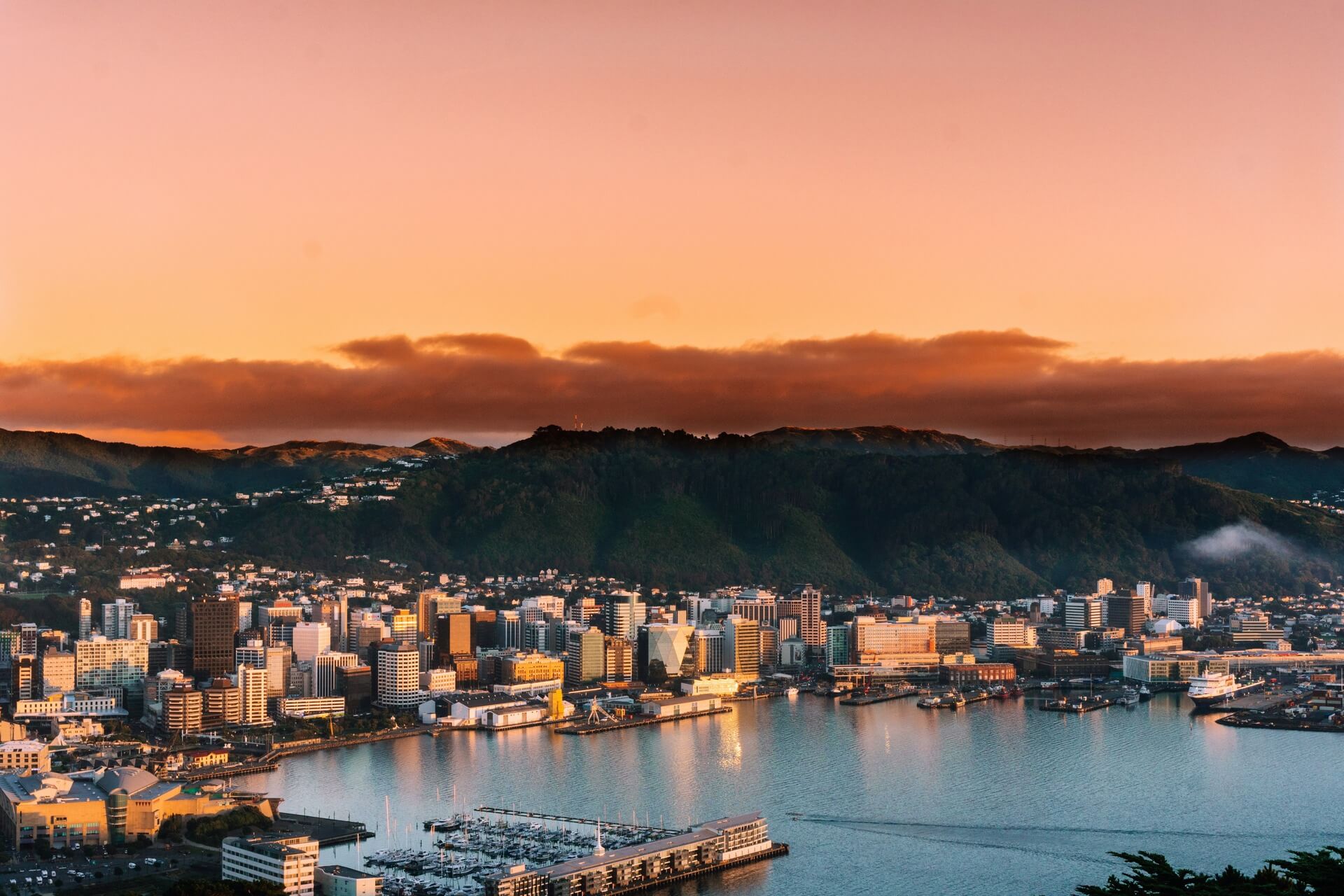
- Wellington: The capital, known for strong winds and an even stronger arts and cafe scene. If craft beer, culture, and politics interest you, this is the city worth considering.
- Christchurch: Known as the Garden City, rebuilt with modern infrastructure after years of recovery efforts. It offers a slower pace and more affordable housing than the North Island’s major hubs.
- Queenstown and Wanaka: The adventure capitals of the country, surrounded by the Southern Alps and ideal for skiers, mountain bikers, and hikers. Housing here is scarce and expensive, so plan well ahead if this is your target.
Relocation Tips for Moving to New Zealand: A Quick Checklist
A few steps taken early can save weeks of stress later on.
- Start your visa process early. Whether you qualify under the Skilled Migrant Category, an Entrepreneur Visa, or a specific skills shortage list, immigration takes time, so secure your visa before booking your shipping container.
- Open a New Zealand bank account before you arrive. This makes transferring funds and securing a rental property much easier once you land.
- Declutter with purpose. Ship the furniture and electronics genuinely worth keeping, but use the move as a reason to let go of anything you have not touched in years, since international shipping is priced by volume.
- Start pet preparations at least six months out. Moving dogs and cats to New Zealand involves microchipping, rabies vaccinations, blood tests, and a mandatory quarantine period, so the earlier you begin, the smoother the process goes.
Ready for Your Next Chapter in Aotearoa
Moving across the world is one of the bigger decisions a person will ever make, and it deserves a team that understands both the logistics and the emotional weight behind it. Moving from the US to New Zealand means choosing better balance, striking landscapes, and a community-focused way of life. You should not have to spend your final weeks in the US worrying about customs paperwork or ocean freight schedules. Shepherd Movers has spent years learning these routes and these rules, and we would be glad to help make your move to Aotearoa feel as smooth as the flight itself.
FAQ
How long does it take to ship belongings from the US to New Zealand?
Ocean freight typically takes six to ten weeks, depending on your departure port, the destination port in New Zealand, and current shipping schedules. Customs clearance through MPI can add another one to two weeks on top of that timeline.
Can I pack my own boxes for the move?
You technically can, but it is not recommended. Boxes packed by the owner receive noticeably more scrutiny at the border than those packed by a certified international mover, and a professionally packed shipment tends to clear customs faster with far fewer targeted inspections.
Do I have to pay import taxes on my used household goods?
In most cases, no. If you are moving on a residence visa or a work visa valid for more than twelve months, and you have owned and used your items for at least twenty-one months before shipping, your household goods can typically enter duty-free.
Is it worth shipping my car from the US?
If your car is paid off, reliable, and you are comfortable adjusting to a right-hand-drive country, shipping it usually makes sense. Replacing a comparable vehicle in New Zealand costs more in most cases, so bringing your own can be the more practical choice. Our team can help you run the numbers for your specific make and model before you decide.
What is the most common reason shipments get delayed at the New Zealand border?
Outdoor gear causes the majority of holdups at the border. Dirty hiking boots, muddy bicycle tires, uncleaned camping equipment, and untreated wooden items are the usual culprits, so we walk every client through the exact cleaning steps needed before anything gets packed.