
Moving to Mexico City from USA has become one of the smartest moves a creative can make, now that rent in New York or Los Angeles swallows most of a monthly paycheck. CDMX (Ciudad de México) offers world-class food, striking architecture, and a genuine bohemian spirit for a fraction of what those cities charge. Artists, designers, and remote workers are already heading south, and the path is more open than you might expect.
What Actually Changes When You Land in CDMX
Leaving a big US metro for Mexico City reshapes your daily rhythm almost immediately. The pace here is a fascinating contradiction. The city is huge and busy, yet the culture is built around slowing down and enjoying whatever is right in front of you.
From Efficient Streets to Living Ones
In New York or Chicago, the sidewalks are built for speed. In CDMX, the streets are their own living ecosystem. You learn to move alongside the sounds of the city, from vendors calling out fresh tamales at dawn to the sweet, high whistle of the camote (sweet potato) cart at night. Every so often a mariachi band strikes up in a nearby plaza, and nobody thinks twice about it.
A Social Life Built Around the Table
Forget the rushed fifteen-minute coffee catch-ups back home. In Mexico City, the sobremesa (the time spent lingering at the table long after the plates are cleared) is close to sacred. Your social life becomes warmer and far more spontaneous, and most of it happens over food. One week that might mean a tasting menu in Polanco. The next, a plate of tacos at a corner stand in San Rafael. Both feel like an occasion.
The Temporary Resident Visa: A Freelancer’s Easiest Path South
One of the biggest reasons creatives keep choosing Mexico is how reachable its residency programs are. Immigration paperwork can be a headache almost anywhere. Mexico has built a clear, welcoming route for people who earn their income abroad, which is why so many freelancers start their move here.
Proving Economic Solvency
For digital nomads, the Temporary Resident visa in Mexico (Residente Temporal) is the one to know. Qualifying comes down to showing you can support yourself without needing a local job. There are two common ways to prove it:
- Monthly income: A steady income from outside Mexico, usually backed by your last six months of bank statements.
- Savings or investments: A minimum balance held in your savings or investment accounts across the last twelve months.
The exact figures shift a little each year, since they are tied to the Mexican minimum wage. For most US remote workers, they stay comfortably within reach.
How the Application Works
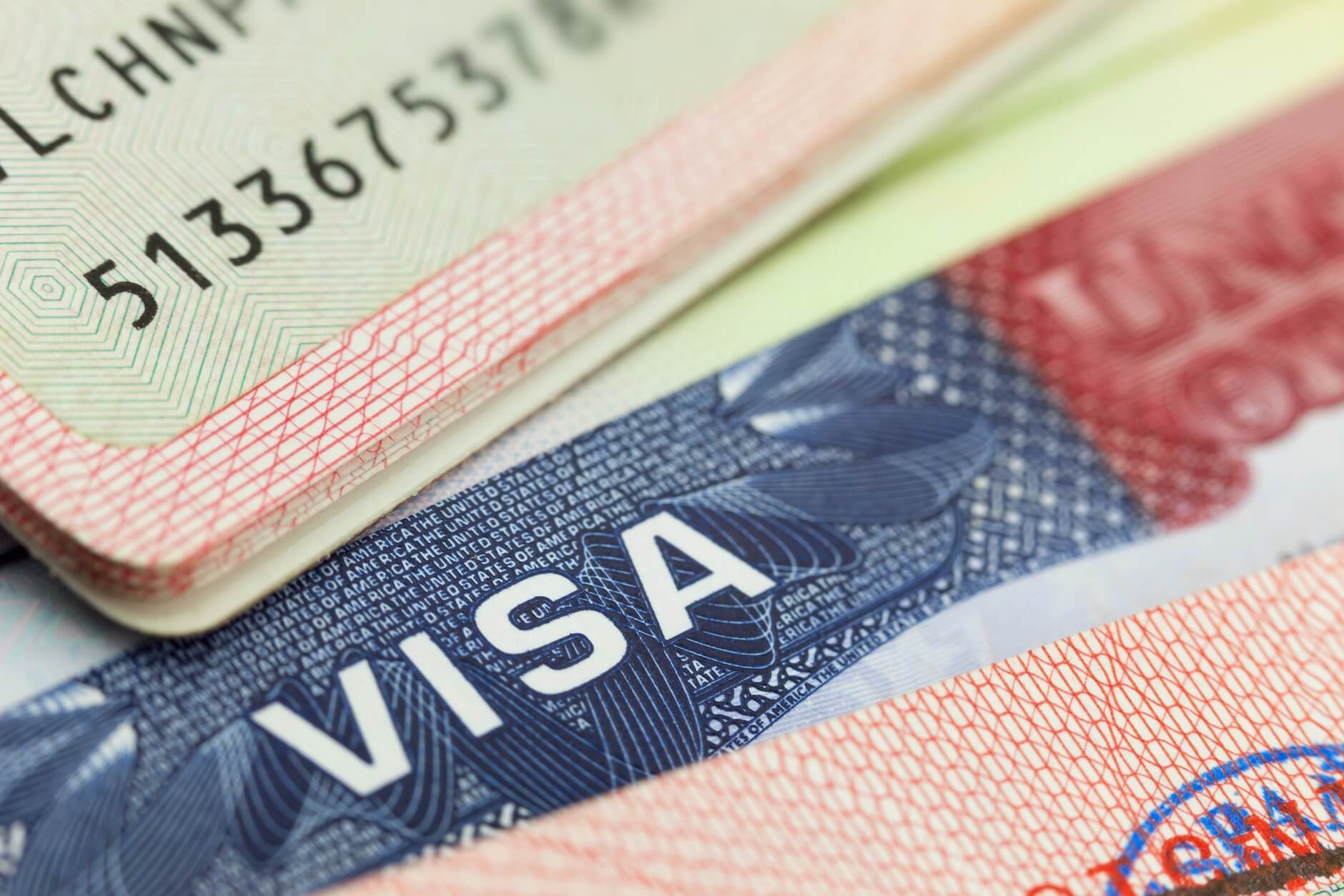
The process starts before you leave. You book an appointment at a Mexican Consulate in the US, bring your paperwork, and receive a visa sticker in your passport. Once you land in Mexico City, you have thirty days to visit the INM (National Immigration Institute) and swap that sticker for your official resident card. That card is what lets you open a local bank account, sign a long-term lease, and settle in properly, with no more border runs to reset a tourist stamp.
Finding Your Barrio: Colonial Charm Meets Modern Infrastructure
Mexico City is enormous, home to more than 21 million people across the greater metro area. Most expats and creatives, though, gather in a handful of barrios (neighborhoods) that blend historic architecture with everything a modern remote worker needs.
Roma and Condesa: The Bohemian Core
If you are coming from Brooklyn or Silver Lake, Roma Norte and Condesa will feel like a leafier, sunnier version of home. These sister neighborhoods are known for their Art Deco buildings, tree-lined avenues like Avenida Ámsterdam, and parks where dogs seem to outnumber cars. The mix is the whole appeal. You can answer emails from a minimalist coffee shop in the morning, then pick up fresh fruit at a street market on the walk back.
Juárez and Coyoacán: Edgy and Historic
Just north of Roma, Colonia Juárez has become a magnet for artists and designers. Grand old mansions sit next to art galleries, quiet cocktail bars, and one of the most welcoming LGBTQ+ scenes in the city. Coyoacán offers a completely different mood. Once home to Frida Kahlo, it sits further south and feels more like a colonial town than part of a megacity. It is calmer, steeped in history, and ideal if you want a slower, more romantic base away from the center.
Choosing Between Them
A quick way to decide: Roma and Condesa suit anyone who wants energy, nightlife, and a walkable creative hub. Juárez rewards those chasing the newest galleries and design studios. Coyoacán fits people who value quiet, greenery, and a slower weekend rhythm. Many newcomers rent short-term in one area before committing to a lease, which becomes much easier once your resident card is in hand.
Modern Comforts Behind the Old Facades
The cobblestones can be deceiving. The best neighborhoods in Mexico City run on genuinely strong infrastructure. High-speed fiber internet, well-equipped coworking spaces, and app-based delivery services like Rappi and Uber Eats are all part of everyday life. You get the old-world setting without giving up a single tool your work depends on.
Altitude and Microclimate: Adjusting to Life at 7,300 Feet
Here is the surprise that catches most newcomers off guard. Mexico City is not a tropical beach town. It sits in a high mountain basin ringed by peaks and volcanoes, and that changes how the air and the weather feel.
Living in Thinner Air
At roughly 2,240 meters (over 7,300 feet) above sea level, the air holds less oxygen than you are used to. In your first couple of weeks, a single flight of stairs might leave you winded, and a glass of wine might hit a little harder than expected. Drink plenty of water and give your body a week or two to adjust. It passes, and most people barely notice it after the first month.
Warm Days, Cold Nights
That altitude also gives the city a mild, memorable climate that runs on its own schedule:
- Daytime: Strong sun and warm, bright afternoons for most of the year.
- Nighttime: Once the sun drops behind the mountains, the temperature falls fast, and mornings can be genuinely chilly.
- Rainy season: From May to October, sunny mornings give way to heavy afternoon storms, almost on cue.
You will not need a winter coat. You will need layers. A light jacket and a comfortable pair of walking shoes quickly become your daily uniform.

What It Really Costs to Live in Mexico City
Gentrification has pushed prices up in the trendiest pockets, and that is worth being honest about. Even so, the cost of living in Mexico City stays well below New York, Los Angeles, or Austin.
Rent and Real Estate
In Manhattan, a cramped studio can run north of $3,500 a month. In CDMX, that same budget buys real space and comfort. Here is how the two sides compare:
| Monthly Expense | New York / LA | Mexico City (CDMX) |
|---|---|---|
| Premium 2-bed, top neighborhood | $4,000 and up | $1,200 to $2,500 |
| Mid-range apartment | $2,500 to $3,500 | $800 to $1,200 |
| Dinner at a trendy restaurant | $80 to $120 per person | $40 to $60 per person |
| Street tacos | $4 to $6 each | Under $1 each |
| 20-minute rideshare | $25 to $40 | $3 to $6 |
Everyday Spending
Beyond rent, daily life is where the savings quietly stack up. Fresh produce from local mercados is cheap and genuinely excellent. Supermarkets carry everything you are used to, though imported American brands come at a premium. Getting around is easy on the wallet too. A twenty-minute Uber often costs only a few dollars, and the Metro costs mere cents if you do not mind the crowds.

Navigating the Urban Maze: Where Shepherd Movers Comes In
Moving your life across an international border is hard enough on its own. Moving it into a hundred-year-old building on a narrow, tree-lined street in Latin America is a different challenge altogether. Standard US moving methods simply do not translate to Mexico City, and that is exactly the problem Shepherd Movers was built to solve.
The Long-Distance Haul to the Border
Everything starts with securing your belongings in the US. Whether you are leaving a penthouse in NYC or a house in the Texas suburbs, our long-distance movers to Mexico inventory, pack, and load your things into secure freight containers. We also handle the customs documentation needed to cross the border legally, so your shipment never sits idle waiting on paperwork.
The Shuttle Service for Narrow Streets
This is where local knowledge earns its keep. A full-size 18-wheeler cannot manage the tight corners, low branches, and one-way streets of colonias like Condesa or Coyoacán. So we take a smarter approach with a dedicated shuttle service:
- Transfer: When your freight container reaches our secure staging facility on the edge of CDMX, we carefully unload it.
- Agile fleet: Your belongings move into smaller, nimble vans and box trucks built for city streets.
- Last-mile delivery: Those vehicles reach your front door along the cobblestones without blocking traffic or risking a scrape.
Tight Corners and No Elevators
Much of the city’s charm comes from its historic buildings. The trade-off is that colonial architecture rarely includes a freight elevator, and the staircases tend to be steep and winding. Our local crews train specifically for these layouts. With proper rigging, padding, and hoisting techniques, they carry oversized sofas and delicate artwork up three flights without a scratch to your pieces or the building’s vintage tile.

Packing Services and Car Shipping
A move should feel like the start of something, not weeks spent living out of cardboard. Our packing team wraps and inventories every item using export-grade materials made to survive a 2,000-mile journey, with extra care for artwork, monitors, and designer furniture.
Some expats sell their cars, since CDMX is walkable and rideshares are cheap. Others would not dream of leaving their vehicle behind. Car shipping to Mexico City means working through temporary vehicle import permits (TIP) and specific border rules, and we coordinate the enclosed transport from your US driveway to your new garage so you can skip that headache entirely.
The Routes We Run Most Often
We can move you from anywhere in the country. A few corridors, though, we run so often that they have become second nature:
- West Coast: Los Angeles, San Francisco, and Seattle into CDMX.
- Creative corridor: New York, Brooklyn, and Philadelphia into CDMX.
- Southern hub: Austin, Houston, and Miami into CDMX.
Wherever you are starting from, our coordinators map the fastest, safest route for your belongings.
Your New Chapter in Mexico City
Starting over in a city full of color, history, and flavor is one of those decisions people rarely regret. The logistics of crossing a border should never be the thing that holds you back. Let the crews at Shepherd Movers manage the heavy lifting, the customs, and the tight colonial staircases, so you can focus on finding your favorite taco stand and setting up your new studio.
FAQ
Is it safe to ship expensive electronics and furniture to Mexico?
Yes. We move everything in sealed, secure containers for the long haul and offer valuation coverage (moving insurance) for extra peace of mind. Your items are tracked and handled by trained crews from pickup to final delivery.
How long does a move from the USA to Mexico City take?
Most international moves to CDMX take 14 to 21 days, from the day we load your belongings to final delivery at your new apartment. That window covers drive time and the mandatory customs clearance at the border.
Do I need to be at the border when my belongings cross?
In most cases, no. As long as your visa paperwork and your Menaje de Casa (household goods inventory) are filed correctly, our customs brokers can clear the shipment on your behalf.
What can I not bring into Mexico?
Firearms, ammunition, illegal drugs, and large quantities of unprescribed medication are all off limits. Shipping stacks of brand-new, unopened items (say, ten boxed laptops) can also trigger commercial import taxes, since a household move is expected to contain used personal belongings.
Can Shepherd Movers handle my art studio or heavy equipment?
Absolutely. We work with creatives all the time. Large canvases, kilns, photography lighting, delicate instruments: our custom crating keeps specialized gear intact from door to door.